
How Land Surveying Helps Owners Understand Older Lots Before Home Renovation Projects
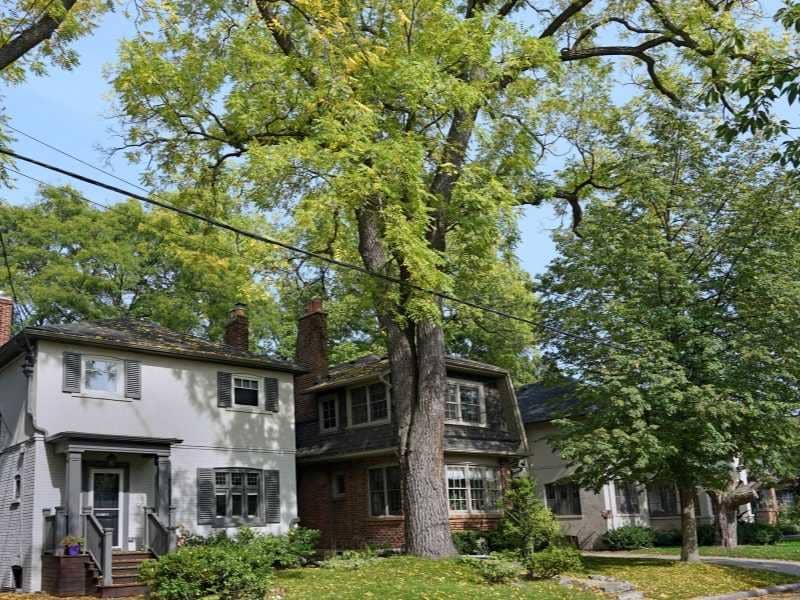
When you plan updates or additions to an older home, the land itself holds as much history as the building. Land surveying gives you a clear, accurate picture of what exists on your lot today and how it has changed over time. This knowledge helps you avoid mistakes and make smart choices before you start digging or building. It turns guesswork into facts so your renovation fits well with the property as it really is.
Identifying Signs of Earlier Property Layouts That Still Influence the Lot Today
Many older lots carry marks from how they were used decades ago. You might see faint lines where old driveways once sat, low spots where sheds or small outbuildings stood, or worn paths that people followed for years. Even if these structures are gone, their shape and position can still affect how water drains, where soil settles, or where new work can safely happen.
These traces often stay hidden until you start planning changes. Without knowing they exist, you might place a new addition over unstable ground or disrupt natural flow patterns. Land surveying maps these subtle features, so you can see how past use still shapes the land. You can then plan around them instead of running into problems later.
Common signs of earlier layouts include:
- Changes in soil color or texture that mark old foundations
- Uneven ground that shows where structures were removed
- Rows of older plants or hedges that once divided spaces
- Hard-packed ground that reveals former walkways or driveways
Understanding How Decades of Small Changes Create a Different Property Than the Original Design
Over 50 or 70 years, many small changes add up to a big difference. One owner might build a fence, another might move it, and a third might add a patio or remove a wall. Trees grow larger, gardens expand, and walkways shift a little here and there. No single change feels like a major update, but together they change the whole look and feel of the lot.
The original plan from when the home was built rarely matches what you see today. Old records may show a straight line where the fence once stood, but years of adjustments have moved it several feet over. Land surveying measures exactly where things sit now, so you have a true picture instead of relying on outdated drawings. This clarity keeps your plans aligned with the actual condition of the land.
Recognizing Why Mature Landscaping Influences Renovation Possibilities
Large trees, thick shrubs, stone walls, and long-established gardens give older homes their unique charm. These features take many years to grow and develop, and they provide shade, privacy, and beauty that new plants cannot match. When you plan a renovation, you have to think about how these elements will fit with your new design.
Moving or removing them changes the whole feel of the property, and it can also be costly or harmful to the land. Land surveying notes the exact size and position of every major tree and landscape feature. It shows how far their roots spread and how much space they need to stay healthy. With this information, you can design additions that leave these valued features in place and keep the property’s character intact.
Evaluating How Older Neighborhood Patterns Affect Individual Properties
Streets and lots laid out long ago follow different rules than areas built today. Homes sit closer together, yards are smaller, and setbacks from roads or property lines are often narrower. These patterns give older neighborhoods their cozy, connected feel, but they also set limits on how much you can change a single lot.
What works well in a newer area may not fit the shape or spacing of an older block. Land surveying shows how your lot lines up with the homes and lots around it. It reveals how your property fits into the original layout of the neighborhood. You can then plan updates that respect that pattern, so your home looks like it belongs rather than sticking out awkwardly.
Using Existing Property Characteristics to Create Renovations That Feel Natural
The best renovations look like they were always part of the home. They follow the slope of the land, work around existing features, and match the scale of the original building. When you try to force a design onto a lot without knowing its true details, the result often looks out of place or creates problems later.
Land surveying gives you all the details you need to make choices that work with the land. You know exactly how much space you have, where natural features lie, and how the property sits in relation to its surroundings. This understanding lets you build additions and improvements that feel smooth and consistent. Your home grows and changes without losing the history and character that made it special.
Frequently Asked Questions
Why do older residential properties often look different from their original layouts?
Each owner makes small changes over time. Fences move, plants grow, and structures are added or removed. After many years, these small adjustments change the whole arrangement of the lot so it no longer matches the original design.
Which long-standing landscape features can influence renovation decisions?
Large trees, thick shrubs, stone walls, and established gardens all matter. They add value and beauty, but they also take up space and need room to grow. Any new work must account for their size and location to avoid damage or loss.
Does the age of a neighborhood affect the way renovation projects are planned?
Yes, older areas follow different spacing and layout rules. Homes and yards are arranged in patterns that feel familiar and connected. Renovations must respect these patterns to keep the area’s overall look and feel.
Are there visible signs of previous uses that remain on older properties?
Yes, faint marks on the ground, changes in soil, or rows of older plants often show where structures or paths used to be. Even if nothing stands there now, these features can still affect drainage, stability, and available space.
What role does understanding existing property characteristics play before renovating?
It helps you plan changes that fit the land and the home. When you know exactly what you are working with, you avoid mistakes, protect valuable features, and create updates that look natural and last for many years.