
An ALTA Land Survey Checklist for Acquiring Former Industrial Property
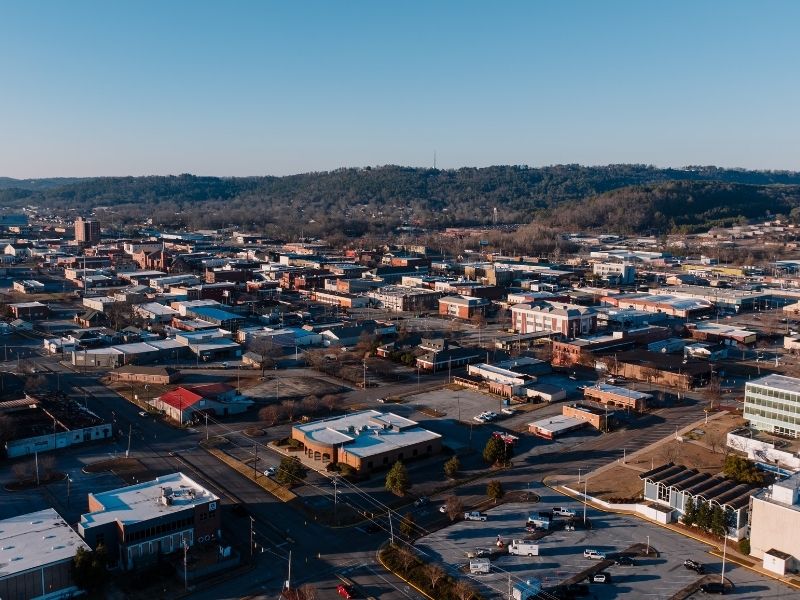
Gadsden has seen some of its biggest industrial sites change hands in recent years. The old Goodyear campus sold to a new owner. The old Gulf States Steel property is turning into a new manufacturing plant. If you’re looking at a site like this, an ALTA land survey is one of your best tools before you sign anything. It shows the boundary, the title items tied to the property, and the physical condition of the land. Buyers, lenders, and title companies can all use this one document.
Former industrial land often comes with old easements, leftover structures, and access questions. A typical house survey never has to deal with these things. This checklist walks through what to gather, what to ask for, and what to check at each step. That way nothing gets missed before closing.
Gather Title and Site Records Before Ordering the Survey
Before you call a surveyor, pull together every record you can find on the property. This means the current deed, the title commitment, old surveys, site plans, and old plats. Industrial sites often carry decades of paperwork. Some of it may only exist in county records or with a past owner.
Ask the title company for the title commitment early. This paper lists easements, liens, and other claims tied to the land. Your surveyor needs it to plot these items on the ALTA land survey. If the property changed hands or got split up over the years, try to find records from those changes too. Missing records won’t stop the survey. But they can slow it down or leave gaps that show up later.
Define the ALTA Land Survey Scope Before Fieldwork
An ALTA land survey follows a set of standard rules. But it also has a list of optional items called Table A. These items let you shape the survey to fit the property and your plans for it. On a former industrial site, common Table A items cover utility lines, zoning, and flood zone facts.
Talk with your surveyor, lender, and title company before fieldwork starts. Make sure everyone agrees on which Table A items to include. Skipping an item to save money can backfire. A lender or buyer might need that info later, and then the survey has to be redone. It also helps to share your redevelopment plans now, even in loose terms. This can point to items you might not think to ask for on your own.
Trace Parcels, Access, and Rights Across the Industrial Site
Industrial sites often include more than one parcel. Companies sometimes buy up land piece by piece over many years. Before fieldwork starts, ask your surveyor to trace every parcel that makes up the site. Confirm how they fit together on paper and on the ground.
Access needs close attention too. Older industrial sites sometimes lean on rail spurs, shared driveways, or access paths that were never written down clearly. Some deals were made between companies that no longer exist. The ALTA land survey should show recorded access points. It should also flag anything that looks like access but isn’t backed by a recorded right. This matters because a site can look fully open in person while it actually depends on permission that was never put on paper.
Utility rights work the same way. Old plants often have buried lines, easements for water or power, and hookups that cross onto land next door. Checking these now on the survey helps you avoid surprises during redevelopment.
Compare Existing Improvements Against Recorded Property Rights
Once fieldwork wraps up, the survey will show every building, paved area, and visible feature on the site. Compare this against what the title papers say should be there. Former industrial land often still has old foundations, loading docks, tanks, fencing, or rail lines left over from when the plant ran.
Look for anything that crosses a property line, sits inside a recorded easement, or doesn’t match the legal description. These mismatches are common on older sites. Finding them before closing gives you room to negotiate or plan around them. This is also a good time to flag anything your engineer, architect, or environmental consultant will want to see. The survey becomes their starting map.
Review Survey Findings Before Closing and Redevelopment Planning
Before closing, sit down with your title company, lender, and surveyor. Go through the finished ALTA land survey together. Confirm that every recorded easement, encroachment, and access issue has been covered. Ask direct questions about anything that still feels unclear. This is the right time to fix title problems, request updates, or work out terms based on what the survey found.
The survey does more than support the closing. It also becomes the base map your engineers, architects, and contractors use once redevelopment planning starts. A clear, accurate ALTA land survey saves time later. It gives your whole project team the same starting point instead of separate guesses about the site.
